Choose the unit of analysis
A market map centers a buyer task and comparable routes to an outcome. An ecosystem map may also include enabling actors, standards, distribution channels and dependencies. The same organization can appear in both, but the question answered is different. Start by naming whether a reader needs to choose among offers or understand how a system creates and transfers value.
- Define the buyer decision represented by the Market.
- List surrounding actors only when they change availability, trust or comparison.
- Model relationships with source and date instead of drawing decorative arrows.
Side-by-side entity and relationship model
| Decision field | Record or rule |
|---|---|
| Market view | alternatives a buyer can consider for one task. |
| Ecosystem view | actors and dependencies shaping those alternatives. |
| Evidence | why a particular relationship exists. |
- 01Market view
- 02Ecosystem view
- 03Evidence
Do not flatten relationships into categories
Search1001's product, capability and integration routes can be read as several kinds of edges. A capability relation helps compare solutions; an integration relation may reveal dependency. If both are rendered as “member of category,” the graph loses meaning. Use a relationship label, source and direction, then decide which routes deserve public pages. The map should serve a decision, not display every possible connection.
To carry this decision forward, start from the Market data model; separate direct rivals from other actors.
Use two drawings for two questions
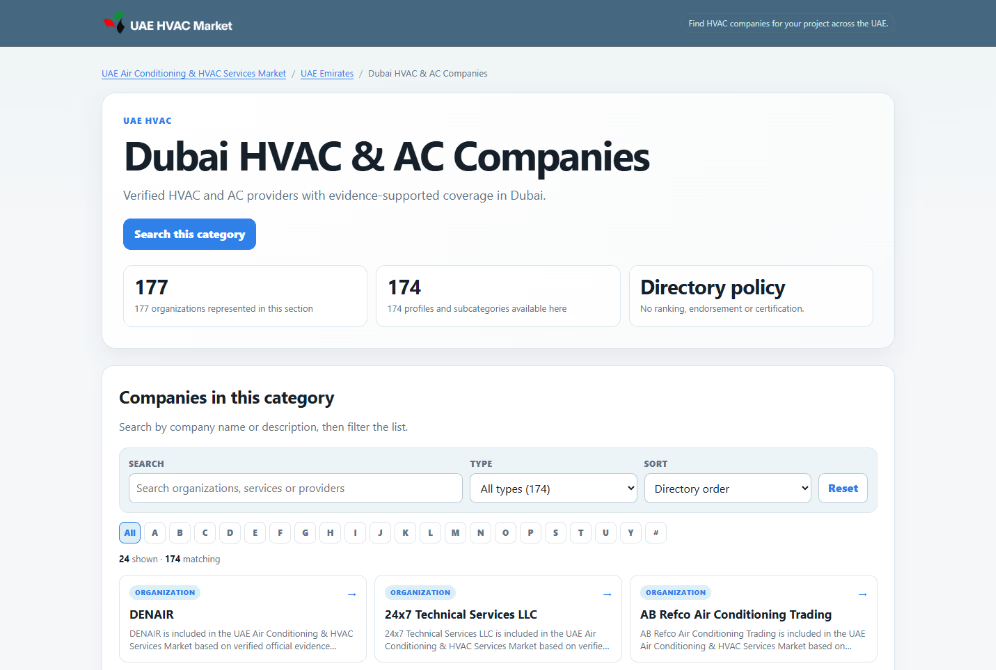
The market map drawing places comparable offerings around a buyer task. The ecosystem drawing adds enabling layers such as platforms, standards, distributors and communities with labelled edges. The same product might appear in both, but an integration partner should not automatically sit in the direct competitor set. Decide which drawing the reader needs before adding nodes. Search1001's public category and integration routes illustrate the kinds of relationships that can be separated. The article's table records the distinction so it can be applied to another sector.
One way to audit the distinction is to ask what would happen if a node disappeared. Removing a direct offering changes the buyer's option set. Removing an enabling platform or standard may change the feasibility of several offerings at once. Both changes matter, but they belong to different relationship types and different views. A combined picture can still be useful if every edge states its meaning; the problem arises when all nodes are presented as though they compete for the same budget.
Do not mix comparison with context
More ecosystem nodes do not automatically make a better Market. Include context only when it helps answer a buyer or operator question.
References and source notes
Original 1000&1 methodology reviewed and approved by the author. Public claims and historical measurements are bounded by the linked sources and dates.